We stay inside Polk County and the towns around Des Moines on purpose. A tight radius means we can get back out to a job the week you call instead of the month after.
Polk County · Home base
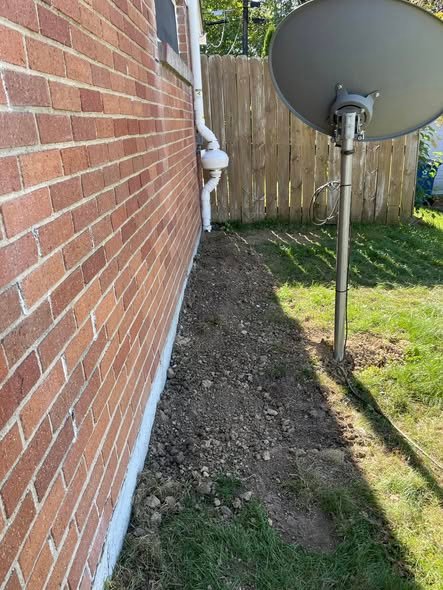
Des Moines sits on glacial till soil across most of Polk County, which is exactly the geology the EPA flags as Radon Zone 1, and the vast majority of homes here have a basement, the part of the house that sits in direct contact with that soil. In older neighborhoods like Sherman Hill the foundations are original stone and rubble construction from the 1880s, full of the kind of gaps and cracks radon moves through easily.
Polk County · 15 minutes
West Des Moines runs from the century-old bungalows of Historic Valley Junction to the newer construction around Jordan Creek, so the radon picture depends a lot on which side of town you are on. Older basements near Valley Junction were built long before anyone poured concrete with radon control in mind, while the newer slab and basement combinations out toward Jordan Creek at least start with a more consistent pour, even if the soil underneath has not changed.
Polk County · 20 minutes
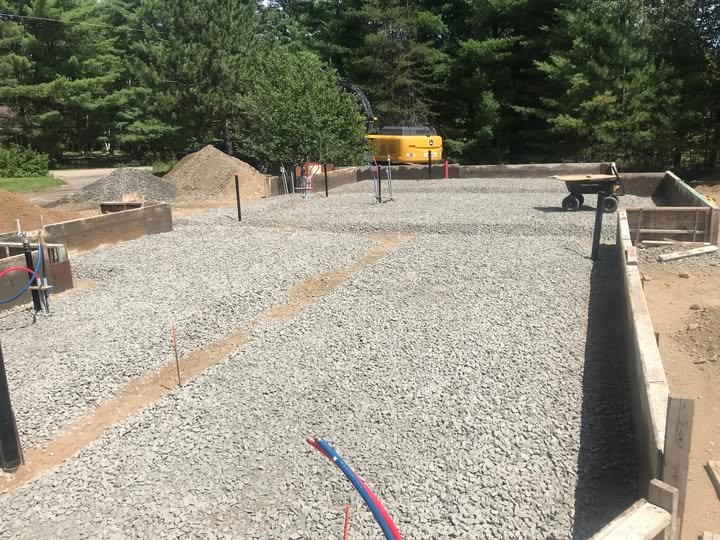
Ankeny has grown fast, and Prairie Trail is the clearest example, over a thousand acres of new-urbanism construction with a mix of single-family homes, brownstones and villas going in on what used to be open ground. New construction is a good opportunity to get a passive radon system built in from the start rather than added later, but it is not automatic unless someone asks for it during the build.
Polk County · 15 minutes
Urbandale sits at the interchange of I-35, I-80 and Highway 141, and the housing reflects decades of steady growth outward from there. The 1960s ranch homes near the older corridors were built well before radon testing was standard practice, so if a previous owner never tested, there is a real chance nobody ever has.
Polk County · 20 minutes
Johnston sits between Camp Dodge and Saylorville Lake, and the North District in particular mixes midcentury ranch and farmhouse-style homes with newer construction closer to the water. Homes near the lake and creek corridors sit on ground that holds moisture differently than the flatter parts of the county, which is one more reason a real test beats a guess.
Polk County · 15 minutes
Clive is built around the Greenbelt, an eleven-mile trail corridor along Walnut Creek, and the neighborhoods that hug it are mostly mid-century homes from the 1960s and 1970s mixed with newer infill construction. Indian Hills, developed in the 1970s and 1980s, has had decades for foundations to settle and crack in ways that can open new paths for soil gas that were not there when the house was new.
Dallas County · 20 minutes
Waukee is the fastest-growing city in Iowa, and most of its housing has gone up in just the last fifteen years, which leads to a common assumption we hear a lot: that a brand new house does not need to be tested. New construction does not include radon mitigation automatically unless it was specifically requested during the build, so plenty of newer Waukee homes have never actually been tested for it.
Polk County · 20 minutes
Altoona's newer subdivisions on the north side, many built in the last ten years, come standard with full basements, which is exactly the space where indoor radon concentrates. A full basement is convenient living space, but it also means more square footage sitting in direct contact with the soil than a home without one.
Polk County · 15 minutes
Highway 163 splits Pleasant Hill into newer development on the north side and more established neighborhoods to the south, and that split shows up in the foundations too. The older 1960s through 1980s split-level and ranch homes near the Des Moines border tend to have finished basements that have had decades to develop the small cracks and gaps radon uses to get inside.
Warren County · 20 minutes
Norwalk's older neighborhoods date back to the Lakewood development around Lake Colchester in 1965 and the Echo Valley golf course community from the early 1970s, which means a lot of the housing stock has fifty or more years of foundation settling behind it. Newer subdivisions keep going in on the edges of town as Norwalk continues to grow.
Warren County · 30 minutes
Indianola is the Warren County seat and home to Simpson College, and the housing stock around the campus and Downtown Square includes a real mix of ages, from historic brick buildings to single-family homes spread through the surrounding residential streets. Whatever era a home was built in, testing is the only way to know where it actually stands.
Warren County · 25 minutes
Carlisle sits along the Warren and Polk county line southeast of Des Moines, close enough to Indianola and Pleasant Hill to feel connected to the wider metro while keeping its own small-town character. That county-line location does not change the radon picture. The same Zone 1 soil runs underneath it.